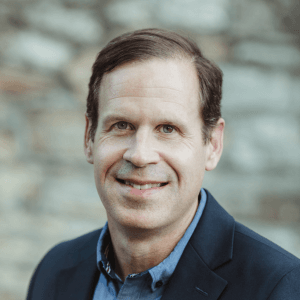
Aaron Blight
Ed.D.
VA, USAaron Blight, Ed.D., is the author of When Caregiving Calls: Guidance as You Care for a Parent, Spouse, or Aging Relative, released on October 13, 2020.
Aaron is an international speaker and consultant on caregiving, aging, and healthcare. He is the founder of Caregiving Kinetics and has been recognized as a Top 100 Healthcare Leader by the International Forum on Advancements in Healthcare.
Aaron's passion for supporting caregivers is rooted in his personal experience as a family caregiver; his professional background as the owner of a large home care company and as a leader at the Centers for Medicare and Medicaid Services; and his study of caregiving as a phenomenon of social science.
Aaron serves as an adjunct professor at Shenandoah University, an honorary board member of the Well Spouse Association, and an advisory board member of the Shenandoah Area Agency on Aging.
He holds a doctorate degree from The George Washington University, a master's degree from the University of Baltimore, and a bachelor's degree from Brigham Young University.
Dr. Blight speaks with groups all over the world about formal and informal caregiving. He will be happy to join you (virtually or in-person) for a discussion about caregiving and its implications for your audience.
To learn more, please visit www.caregivingkinetics.com.
Aaron Blight, Ed.D., is the author of When Caregiving Calls: Guidance as You Care for a Parent, Spouse, or Aging Relative, released on October 13, 2020.
Aaron is an international speaker and consultant on caregiving, aging, and healthcare. He is the founder of Caregiving Kinetics and has been recognized as a Top 100 Healthcare Leader by the International Forum on Advancements in Healthcare.
Aaron's passion for supporting caregivers is rooted in his personal experience as a family caregiver; his professional background as the owner of a large home care company and as a leader at the Centers for Medicare and Medicaid Services; and his study of caregiving as a phenomenon of social science.
Aaron serves as an adjunct professor at Shenandoah University, an honorary board member of the Well Spouse Association, and an advisory board member of the Shenandoah Area Agency on Aging.
He holds a doctorate degree from The George Washington University, a master's degree from the University of Baltimore, and a bachelor's degree from Brigham Young University.
Dr. Blight speaks with groups all over the world about formal and informal caregiving. He will be happy to join you (virtually or in-person) for a discussion about caregiving and its implications for your audience.
To learn more, please visit www.caregivingkinetics.com.
Building Caregiver Resilience: A Framework for Care
Caregivers are usually so busy with the tasks of caregiving that they rarely reflect upon the significance of their activities, including how caring changes their identity: their view of self, their relationships with others, and their place in society. This thoughtful and inspiring presentation draws upon research to explain caregiving as a phenomenon of social science. Knowledge gained from the discussion will offer caregivers a framework for 1) processing their experiences and 2)...
Care for Others, Care for Yourself
People who are caregivers usually offer themselves to others with little thought of recognition or reward. However, it’s important for caregivers to know that in addition to caring for others, they must also take care of themselves. This compelling presentation emphasizes the giving and receiving of care – not only for others but also for oneself – as imperatives for wellness.
On the Giving of Care - For Healthcare Providers
How can your organization find and keep the best care professionals in an increasingly competitive labor market? The answer lies in 1) acquiring a deeper understanding of the lived experience of your employees and then 2) aligning your organization’s HR efforts in the most commensurate way. This moving presentation breaks down caregiving into five component parts and reviews implications for the employment of care professionals.
Caregivers in Corporations
Did you know that 42% of American workers have cared for aging or disabled loved ones at home within the last five years? When your employee is caregiving off the job, it can affect work performance. This workshop is designed to help employers and employees better understand the phenomenon of caregiving and what they can do for support.
How Caregivers Learn: A Pattern of Role Development
Most caregivers are not innately endowed with the ability to deliver tasks of care, but they can grow into an emerging caregiver role. A care receiver’s evolving health conditions prompt caregivers to formulate responses which are appropriate for their ever-changing circumstances. As caregivers adjust to changes, they unconsciously develop an improved capacity to serve. This presentation raises consciousness of caregiver development, and can accelerate caregiver growth, by focusing on the...
We're All Getting There: A Conversation on Aging & Care
Demographic changes and medical advances have brought us to a new era in the history of the world: we now live in a time when the old outnumber the young. As these societal trends continue, it has become critical for everyone to prepare for aging and caregiving in later life. This presentation helps by reviewing a typology of elders and exploring the dynamics of caregiving for older adults.
Caregiver Stress: What It Is and What You Can Do About It
Caregiver stress is a frequent and real outcome of devoting yourself to ongoing care for your loved one. In this presentation, we will examine the nature of caregiver stress, explore how stress leads to burnout, and review strategies for stress reduction that will produce improved well-being for caregivers. Knowledge gained from the presentation will help caregivers recognize the impact of stress in their personal situations and learn how to cope more effectively.